Egypt’s diverse landscapes, from the fertile Nile Valley to vast deserts and coastal regions, support a rich variety of wildlife. According to reports, the country is home to over 15,000 animal species, including iconic creatures like the Nile crocodile, Egyptian cobra, and the endangered Nubian ibex.
Nile Crocodile Habitats
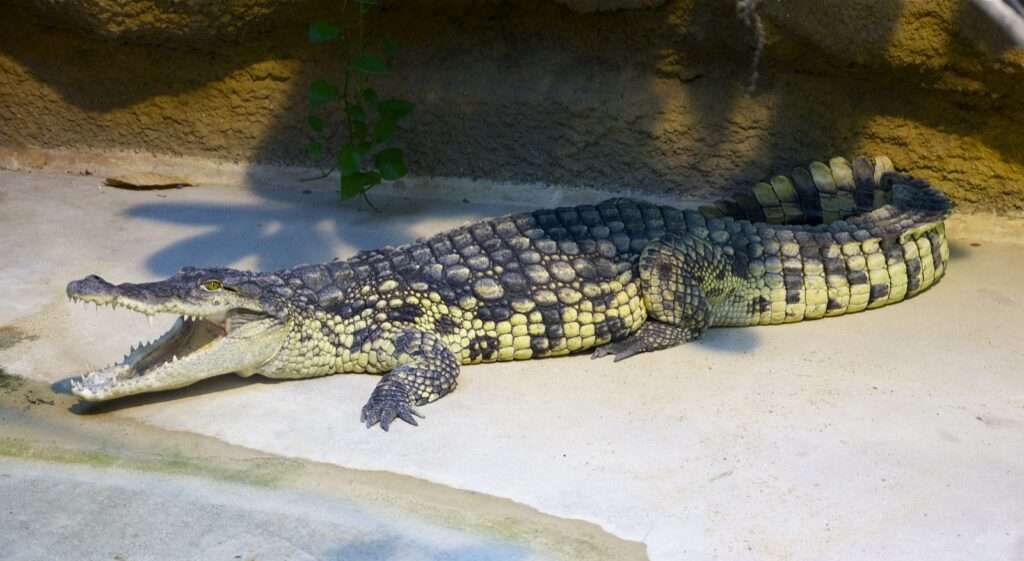
The Nile crocodile (Crocodylus niloticus) inhabits a variety of freshwater environments across Africa, with Lake Nasser in southern Egypt serving as a significant habitat. The creation of Lake Nasser following the construction of the Aswan High Dam provided an ideal ecosystem for these reptiles
Researchers have classified Lake Nasser’s crocodile habitats into these three main types
2. The western shore of the lake tends to offer more suitable environments for crocodiles compared to the eastern side2. While once widespread along the Nile River, the species is now primarily confined to Lake Nasser in Egypt, with occasional reports of individuals found further north likely being escapees or releases3
Endangered Dorcas Gazelle
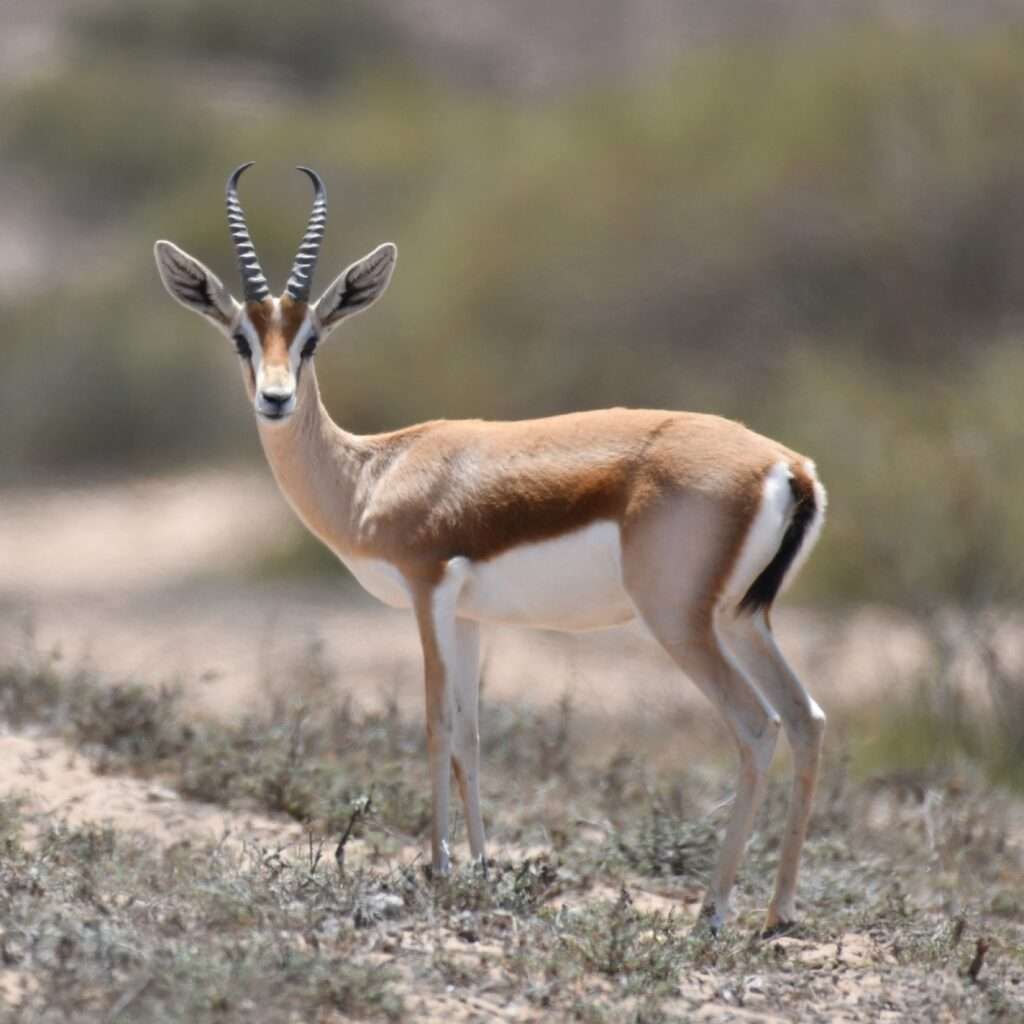
The Dorcas gazelle (Gazella dorcas) is a vulnerable species native to Egypt’s desert and semi-desert regions. Once widespread across North Africa, its population has significantly declined due to habitat loss and hunting
12. In Egypt, fewer than 1,000 Dorcas gazelles are estimated to remain in the wild3.Key facts about the Dorcas gazelle in Egypt:
Highly adapted to desert life, obtaining most water from plants2
Found in coastal plains, stony deserts, and the Sinai Peninsula3
Can reach speeds up to 80-96 km/h (50-60 mph) to evade predators2
Threatened by habitat conversion to farmland and competition from domestic livestock2
Conservation efforts include protected areas and breeding programs to preserve this iconic desert species13
Nubian Ibex Conservation
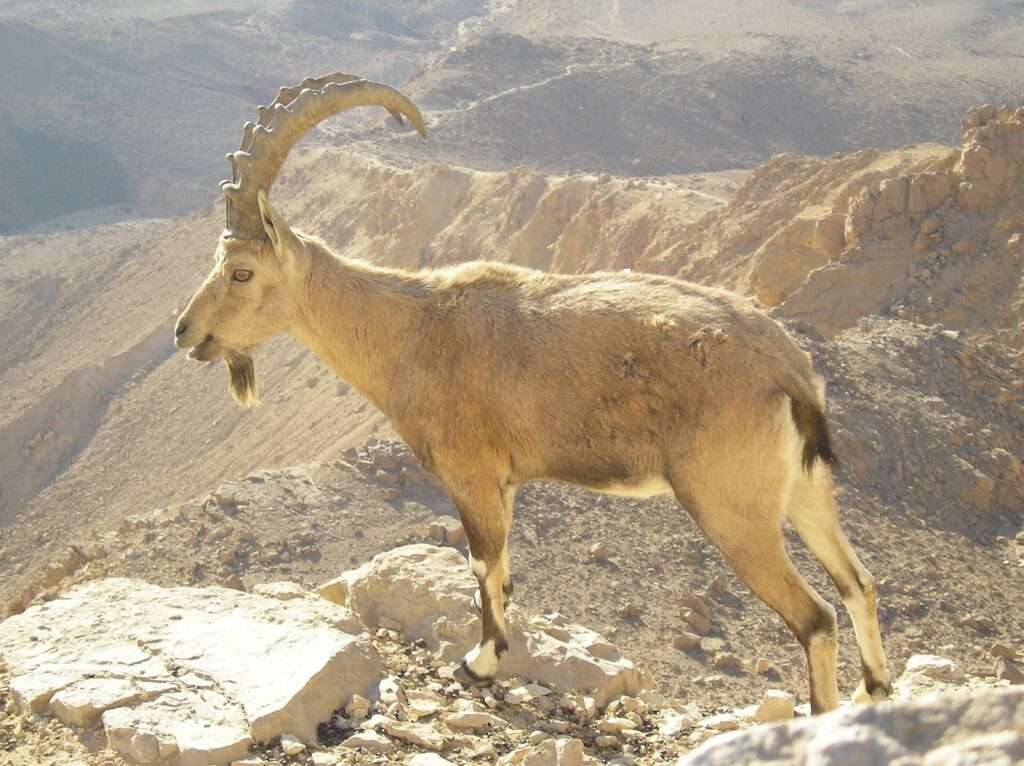
The Nubian ibex (Capra nubiana) faces significant conservation challenges in Egypt, with its population declining due to habitat loss, hunting, and competition with livestock. In the Sinai Peninsula, which serves as a crucial bridge between the species’ Asian and African distributions, conservation efforts have intensified in recent years
12.Key conservation initiatives for the Nubian ibex in Egypt include:
Establishment of protected areas in the Sinai mountains, covering an estimated 506 square kilometers of suitable habitat1
Implementation of captive breeding programs to bolster wild populations1
Efforts to reduce conflicts with local communities and discourage hunting practices2
Habitat management focusing on preserving water resources, which are critical for the species’ distribution1
Ongoing population monitoring and research to inform conservation strategies2
Despite these efforts, the Nubian ibex remains vulnerable, with its total population in Egypt estimated to be less than 1,000 individuals
3. Continued conservation measures and international cooperation are essential to ensure the long-term survival of this iconic desert species in Egypt.
Horses in Egyptian Tourism
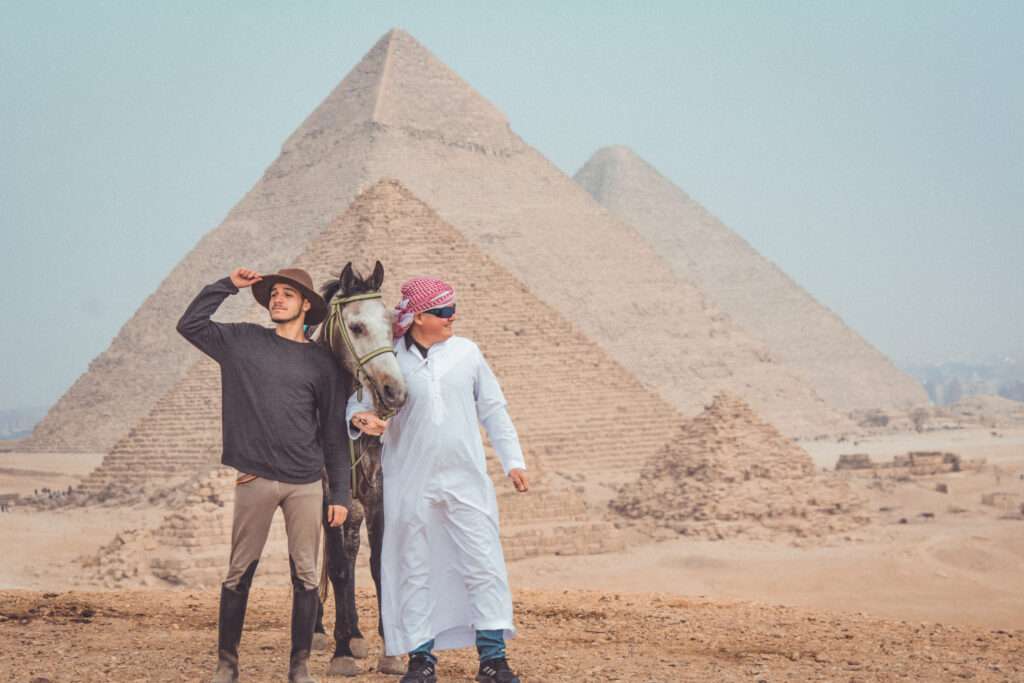
Horses have played a significant role in Egyptian culture and economy for thousands of years, but their welfare in modern tourism has become a major concern. In popular tourist sites like the Pyramids of Giza, horses are often used to pull carriages or carry riders in harsh conditions
1. Unfortunately, many of these working horses face abuse and neglect:
Horses are frequently overworked in extreme heat without adequate rest, food, or water
Physical abuse like whipping is common to force exhausted animals to keep working
Injured or sick horses often lack proper veterinary care
When no longer able to work, some horses are abandoned or left to die
Recent investigations have prompted calls for stricter regulations and welfare improvements
1. However, animal welfare groups argue that the most ethical solution is to phase out the use of horses entirely at major tourist attractions in Egypt. Visitors are encouraged to avoid horse rides or carriage tours to prevent supporting these practices1.
Premium Horseback Adventures
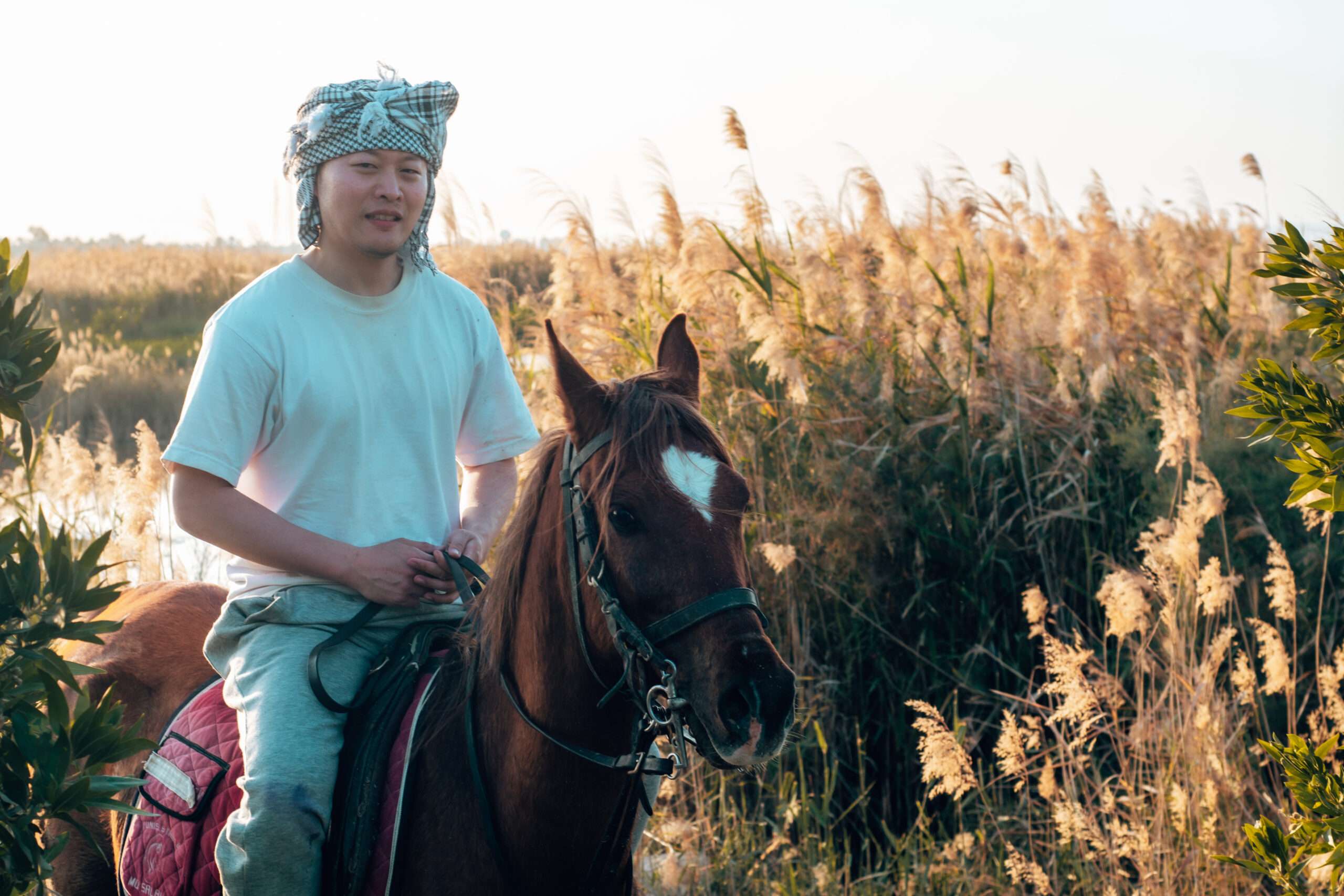
iRide Egypt offers premium horseback riding experiences across Egypt’s most stunning locations, combining traditional Egyptian horsemanship with modern safety standards
1. Their guided tours allow visitors to explore iconic sites like the Pyramids of Giza, Saqqara, and Dahab from a unique perspective atop well-cared-for horses2.Key features of iRide Egypt’s experiences include:
Rides tailored to all skill levels, from beginners to experienced equestrians
Use of Arabian stallions and other high-quality horses in excellent condition
Professional guides and trainers to ensure safety and enjoyment
Photoshoot opportunities to capture memorable moments
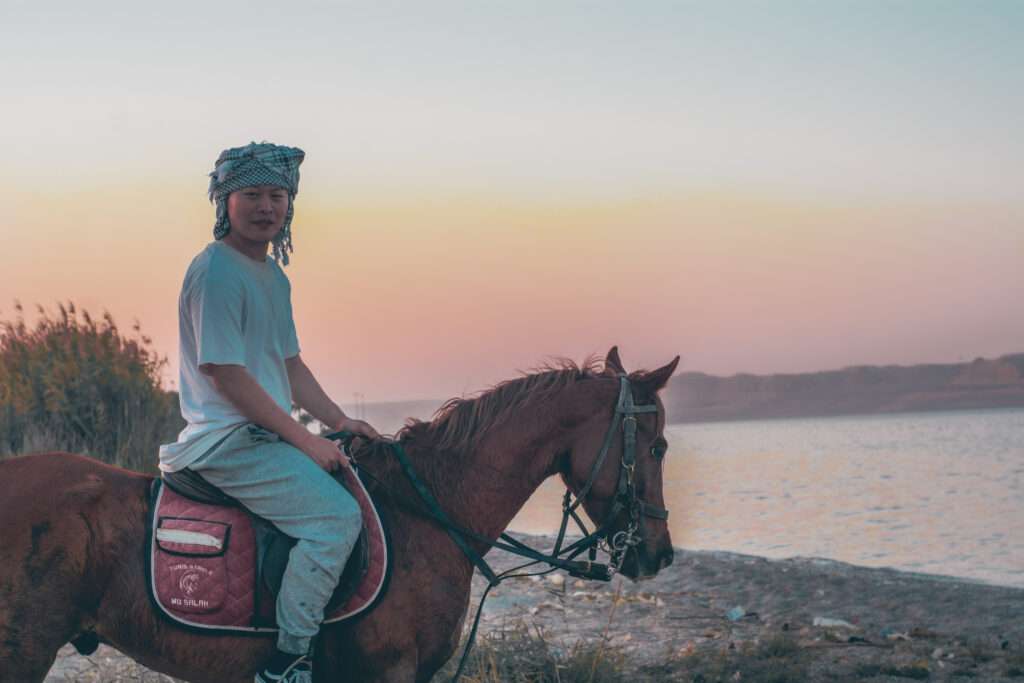
Options for desert trails, waterfront routes, and rides near ancient monuments
Visitors have praised iRide Egypt for their attentive staff, the quality of their horses, and the overall experience. One reviewer noted, “My horse, a beautiful Arabian stallion, was in lovely condition which was important to me as I own horses.”
1 This emphasis on animal welfare sets iRide Egypt apart from some of the concerning practices seen elsewhere in Egyptian equine tourism.By prioritizing both rider experience and horse care, iRide Egypt demonstrates that responsible, ethical horseback tourism is possible in Egypt’s historic and natural landscapes.






propecia medication
propecia medication
finasteride medication
finasteride medication
levitra
levitra
tetracycline hydrochloride eye drops
tetracycline hydrochloride eye drops
clozaril
clozaril
kamagra jelly benefits
kamagra jelly benefits
semaglutide tabletten prijs nederland
semaglutide tabletten prijs nederland
is rogaine minoxidil
is rogaine minoxidil
toradol pain relief facts
toradol pain relief facts
toradol peak effect
toradol peak effect
ivermectin scabies patient outcomes
ivermectin scabies patient outcomes
ivermectin antiparasitic mechanism
ivermectin antiparasitic mechanism
minoxidil foam vs liquid absorption
minoxidil foam vs liquid absorption
minoxidil women’s clinical performance
minoxidil women’s clinical performance
sildenafil form‑based pricing
sildenafil form‑based pricing
vardenafil micro dose
vardenafil micro dose
orlistat food digestion interaction
orlistat food digestion interaction
otitis media amoxicillin guide
otitis media amoxicillin guide
Sildenafil Knowledge Hub
Sildenafil Knowledge Hub